SEND IN THE NAVY.
Then what?
Reform's headline is absolute: under a Nigel Farage government, not a single illegal migrant crossing the Channel will make it to British shores. Operation Fortress would use the Royal Navy to intercept boats and return people to France or Belgium. The operational document is detailed in places, but the central political dependency remains outside Britain's control: France or Belgium must accept the return.
Reform's headline is absolute: under a Nigel Farage government, not a single illegal migrant crossing the Channel will make it to British shores. Operation Fortress would use the Royal Navy to intercept boats and return people to France or Belgium. The operational document is detailed in places, but the central political dependency remains outside Britain's control: France or Belgium must accept the return.
The key issue
- Reform promises that no Channel small boat would reach Britain.
- The Royal Navy would intercept boats, secure those onboard and return them to France or Belgium.
- Britain cannot simply order France or Belgium to accept people back.
- The 28-page plan describes ships, command and operations but does not publish a single overall programme cost.
What they said
The promise is simpler than the operation
The party describes a joint military command, naval interception, detention at sea and return to the country of departure. It treats small-boat crossings as a national-security emergency and proposes military support to Border Force, police, the Coastguard and intelligence agencies.
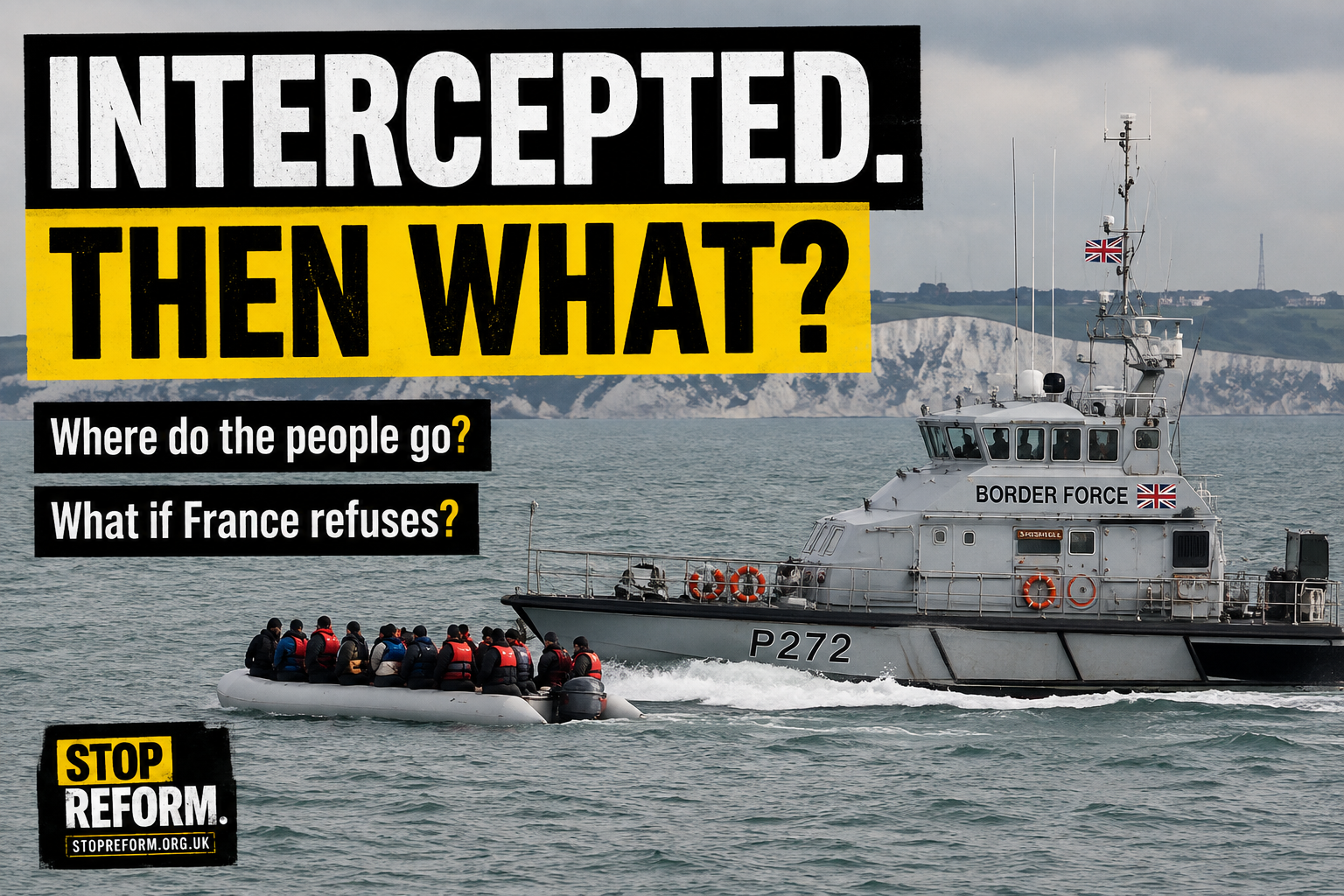
The France problem
Stopping a boat is only half the policy. Someone must lawfully take the people onboard. Reform's own document relies on an expectation that France will authorise passage and discusses what happens if France resists. That means the flagship promise depends on an agreement with another sovereign government. If France says no, Britain still has people onboard a British-controlled vessel and still has legal and safety responsibilities.
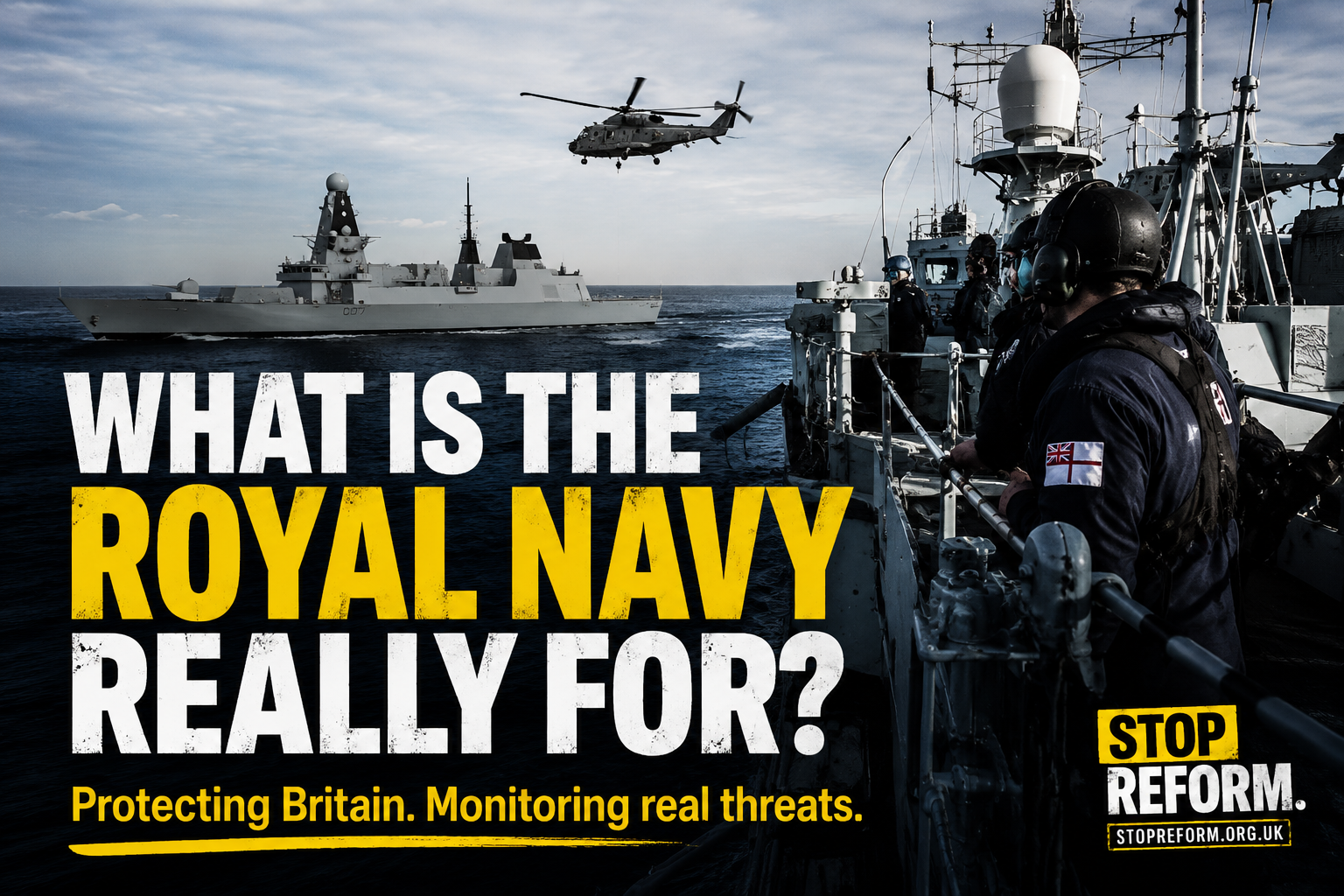
The Navy is not an infinite resource
Warships, crews, surveillance aircraft and military headquarters are not free assets waiting unused. Every enduring domestic commitment competes with training, maintenance, NATO duties and other defence requirements. Reform argues the border is a national-security task. That is a political choice, but voters should know the opportunity cost and the annual operating cost.
What does it cost?
The document discusses previous UK payments to France, military assets and command structures, but it does not give one overall price for running Operation Fortress. A policy promising permanent interception, naval deployment and additional personnel should have a published annual cost before voters are told it is ready to implement.
Our assessment
The government should be capable of controlling borders, and voters are entitled to be angry at repeated failures. But an absolute promise is only credible if every necessary step is within the government's control. France's cooperation is not. Reform should publish the agreement it expects to secure, the legal basis for returns without agreement, the rules for refusal and rescue, and a full cost before promising zero arrivals.
Sources
We separate Reform’s own policy and statements from outside reporting and our analysis. Sources checked when this article was prepared.